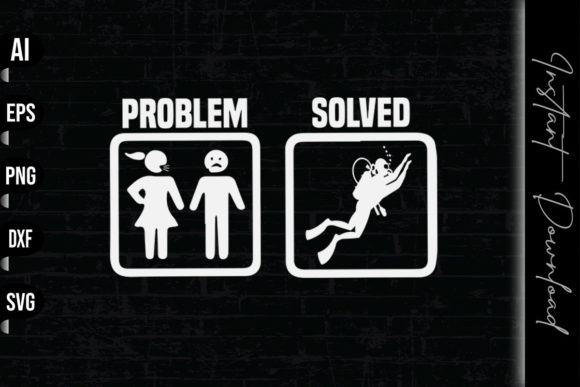
Funny Scuba Diving: A Designer's Real-World Embroidery Review
When I first opened the Funny Scuba Diving file, my initial reaction wasn't about the technical stitch count or the specific software compatibility. It was about the vibe. As a designer who has spent years turning digital files into tangible, stitched products for clients and craft fairs, I look for that immediate spark of "I need to put this on something." This design from the Print Templates category delivers exactly that. It feels like a conversation starter before it even touches the fabric.
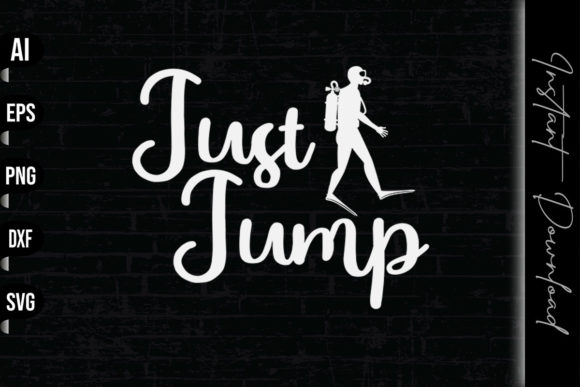
The concept is simple but effective. The layout captures the playful spirit of underwater exploration with a humorous twist. For an embroidery project, this kind of personality is gold. It isn't just a generic fish or a bubble; it has a character that suggests a story. When you are creating custom apparel or personalized gifts, that narrative element is what separates a mass-produced item from a piece that feels handmade and thoughtful. The visual weight of the design strikes a balance between being bold enough to hold its own on a large sweatshirt and detailed enough to be interesting on smaller items like tote bags or aprons.
From Digital File to Finished Product
Let's talk about how this actually translates to the hoop. I recently tested a similar concept on a canvas tote bag for a boutique client, and the results were fantastic. Imagine taking Funny Scuba Diving and stitching it onto a sturdy cotton canvas tote in navy blue thread. The contrast would pop immediately, creating a product that screams "summer vacation" or "beach day."
The versatility here is what makes this a valuable asset for any Graphics collection. You aren't limited to just one application. I can easily see this design transforming into a patch for a denim jacket, adding a touch of whimsy to a workwear uniform. It could also work beautifully as a centerpiece on a baby onesie, perhaps in soft pastels against white fabric, creating a memorable keepsake for new parents. The key is understanding the medium. Because this is a print-ready design intended for digitization, the lines are likely clean, which means it should translate well into satin stitches for outlines and fill stitches for the main body.
However, not every surface is created equal. If you are planning to use this on a stretchy knit cap or a thin linen pillowcase, you need to be strategic. Stretchy fabrics require a stabilizer that provides more support than usual to prevent the puckering that can ruin a good design. Funny Scuba Diving has enough detail that if the fabric moves during stitching, those details could blur. For curved surfaces like caps, the curvature of the hat must be accounted for in the digitizing phase to ensure the text or imagery doesn't look distorted when worn.
Where to Use It (and Where to Pause)
As a professional reviewer, I have to point out where this design shines and where it might struggle. It is perfect for medium to large surface areas. Think hoodies, sweatshirts, and standard t-shirts. These garments provide the stability needed for a high-quality finish. The design also works exceptionally well on kitchen towels or tea towels, where the heavy cotton absorbs the texture of the thread without warping.
Conversely, be cautious with very small hoop sizes. If you attempt to stitch this on a tiny baby bootie or a small pocket square, you risk losing the finer details. The humor often lies in the expression or the specific elements of the scuba gear, and if those are too small, the viewer won't get the joke. Additionally, dark fabrics require careful consideration of thread colors. You will need high-density underlay to ensure the top threads cover the background completely, otherwise, the design might look muddy rather than crisp.
Another area to watch is dense stitch areas. If the original artwork relies heavily on small, intricate details that are translated into tight fill stitches, the fabric can become stiff. For a functional item like a work apron or a child's clothing, stiffness is not ideal. You want the embroidery to feel integrated with the fabric, not like a hard plastic badge glued on top. Testing on scrap fabric is non-negotiable here.
Building Trust Through Quality
For Etsy sellers and small business owners, the quality of your finished product directly impacts customer trust. A sloppy stitch job or a design that pucks up after one wash can lead to returns and bad reviews. Funny Scuba Diving, when executed correctly, signals professionalism. It shows that you care about the aesthetic and the durability of your merchandise.
When you sell a handmade product, the buyer is paying for the artistry. They want to see that the embroidery file was chosen with intention. Using a design with a clear theme like scuba diving tells a story. It appeals to hobbyists, divers, and anyone who loves the ocean. This emotional connection drives engagement. A customer browsing your shop is more likely to buy a tote bag with a funny diving character than a plain bag, because it adds a layer of fun to their daily routine.
Furthermore, consider the longevity of the item. Commercial embroidery projects need to withstand frequent washing. Ensuring that the stitch density is appropriate and that the correct stabilizer is used will make the difference between a gift that lasts a lifetime and one that falls apart after a few cycles. Always inspect the small details before finalizing the run. Look at the corners of the lettering or the edges of the bubbles to ensure they are sharp and clean.
Practical Notes for the Maker
If you are ready to bring this design to life, keep these practical tips in mind. First, always test the design on a scrap piece of the same fabric you intend to use. This allows you to check the thread color contrast and see how the stitch density interacts with the material. Second, review the design in black and white mockups. Sometimes, color can hide issues with spacing or alignment that become obvious when stripped down to monochrome.
Don't forget to check your licensing terms. While many designs in the Print Templates category allow for commercial use, some may restrict selling finished goods or digital products. Confirming this before you start production protects your business. Also, verify the file formats and machine compatibility. If you are using a home machine, ensure the file size fits within your machine's memory limits. For larger commercial setups, you might need to adjust the scale slightly to optimize production speed.
Finally, think about the finishing touches. Trimming loose threads carefully and pressing the design with a low heat setting can elevate the look of Funny Scuba Diving significantly. A clean finish makes the product look expensive and well-crafted. Whether you are making a holiday gift for a friend or stocking your boutique with summer accessories, this design offers a solid foundation for creativity.
In conclusion, Funny Scuba Diving is more than just a graphic; it is a tool for building a brand and connecting with customers. It brings a sense of joy and adventure to everyday items. By paying attention to fabric choice, stabilizer selection, and stitch quality, you can turn this digital asset into a standout physical product. It is a smart addition to any embroidery designer's toolkit, offering endless possibilities for custom apparel, personalized gifts, and creative crafts.