Knotty Hooker Yarn Embroidery Review
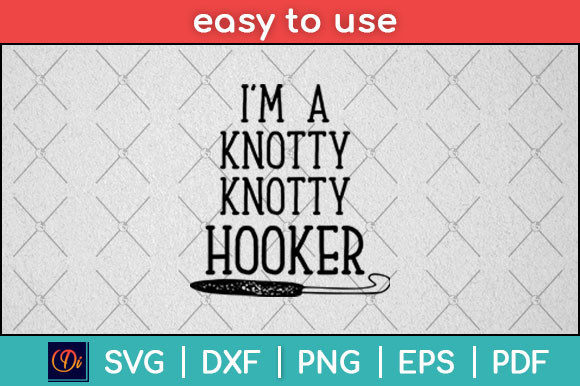
As a designer who spends more time staring at stitch density charts than sleeping, I approach every new digital asset with a healthy dose of skepticism. The market is flooded with clip art that looks charming on a screen but falls apart under the needle. When I first pulled up I’m a Knotty Knotty Hooker Funny Yarn, my initial reaction was less about the pun and more about the structural integrity of the design itself. This isn’t just another generic text graphic; it’s a Print Template rooted in the Graphics category that promises to bring some serious personality to your machine embroidery projects. But does it hold up when you’re actually stitching it onto fabric for a paying client or a beloved gift?
The First Impression: Personality Meets Precision
The moment you load this file into your digitizing software, the mood is set. It’s playful, slightly irreverent, and undeniably eye-catching. For designers targeting the crafting community, humor is a powerful tool. However, the challenge lies in execution. A design like I’m a Knotty Knotty Hooker Funny Yarn needs to balance legibility with artistic flair. Visually, the layout feels balanced, suggesting that the kerning and spacing were thought out before the vector paths were even finalized. This matters because in machine embroidery design, whitespace is as important as the stitches themselves.
The theme taps directly into the "yarn craft" subculture—a passionate niche of crocheters and knitters who wear their hobbies on their sleeves (literally). By using a design that speaks this language, you are immediately signaling to your customer that you understand their world. It creates an instant connection. Whether this ends up on a tote bag design for a yarn stash haul or a sweatshirt embroidery piece for a cozy night in, the visual personality is strong enough to stand alone without needing excessive embellishment.
Real-World Application: From Screen to Stitch
Let’s talk about where this design truly shines. I imagine this embroidery project performing exceptionally well on structured cotton canvases. Picture a heavy-duty canvas tote bag, perfect for carrying skeins of merino wool or bulky acrylic blends. The bold nature of the text and the accompanying yarn imagery would pop against natural or black canvas, creating a high-contrast look that photographs beautifully for social media. This is crucial for any Etsy seller or small shop product owner relying on visual appeal to drive clicks.
Beyond bags, consider its application on custom apparel. A crewneck sweatshirt or a heavyweight t-shirt provides a stable surface that can handle the weight of the design without puckering. The humor translates well here, turning a simple garment into a conversation starter. It also works surprisingly well as a personalized gift. Imagine gifting a custom embroidered apron to a friend who loves to bake and knit—the juxtaposition of domestic crafts is charming. Or perhaps a baby item, where the softness of the yarn graphics contrasts nicely with the delicate nature of infant clothing, provided the stitch density is kept moderate.
For the craft business owner, this design offers versatility. It fits seamlessly into holiday collections, serving as a quirky stocking stuffer tag or a gift wrap accent. It also has potential as a commercial embroidery asset for boutique branding, adding a touch of whimsy to retail packaging tags. The key is recognizing that this isn’t just a decoration; it’s a statement piece that adds value to the finished product.
Where Caution Is Required
No design is universal, and I’m a Knotty Knotty Hooker Funny Yarn has its limitations. You must be strategic about where you place it. Avoid small hoop sizes unless you are willing to sacrifice detail. If the lettering becomes too small, the humor gets lost, and the design may look cluttered or muddy. Similarly, textured fabrics like bouclé or thick chenille can obscure the finer details of the yarn graphics, making the design hard to read.
Stretchy fabrics present another challenge. While jersey knits are popular for t-shirts, they require careful hooping and potentially a tear-away stabilizer to prevent distortion. If you are working with dark fabric, ensure your thread colors offer sufficient contrast. A light gray thread on a navy background might wash out, diminishing the impact of the embroidered patch or logo. Furthermore, avoid placing this design on curved surfaces like baseball caps unless you have significant experience with cap frames. The curvature can warp the text, making the punchline less effective.
Finally, consider the end use. If the final product will undergo frequent industrial washing, such as work aprons, you need to verify the stability of the stitches. Dense areas might unravel over time if not backed properly. Always inspect small details and test the design’s durability before committing to a large production run.
Practical Designer Notes for Success
To get the most out of this digital embroidery file, follow these practical steps. First, always test the design on scrap fabric that matches the weight and texture of your final material. This helps you assess how the stabilizer interacts with the fabric and whether the thread colors achieve the desired contrast.
Review the stitch types carefully. Does the design rely heavily on saturn stitch for outlines, or does it use fill stitch for the yarn balls? Understanding the construction helps you anticipate trimming needs. Check the stitch density to ensure it isn’t too heavy for the chosen fabric. If the design feels dense, consider reducing the fill percentage or switching to a lighter stabilizer.
Inspect the design in black and white mockups. This removes color bias and allows you to focus purely on shape and composition. Are the negative spaces balanced? Do the curves flow naturally? This step is invaluable for ensuring professional results. Also, confirm whether the license allows for commercial use. As a print cut file compatible with cutting machines, it might have different usage rights than a pure embroidery file. Verify if you can sell finished items made from this design, especially if you are a creative entrepreneur looking to scale your craft business.
Final Verdict
I’m a Knotty Knotty Hooker Funny Yarn is a standout choice for designers looking to add humor and relatability to their portfolio. It bridges the gap between a simple graphic and a functional embroidery file. With proper planning, correct stabilizer selection, and thoughtful placement, this design can elevate everything from a simple tea towel to a premium boutique branding item. It’s not just about stitching yarn; it’s about stitching joy into everyday objects. For the savvy maker, it’s a smart addition to their design assets library.